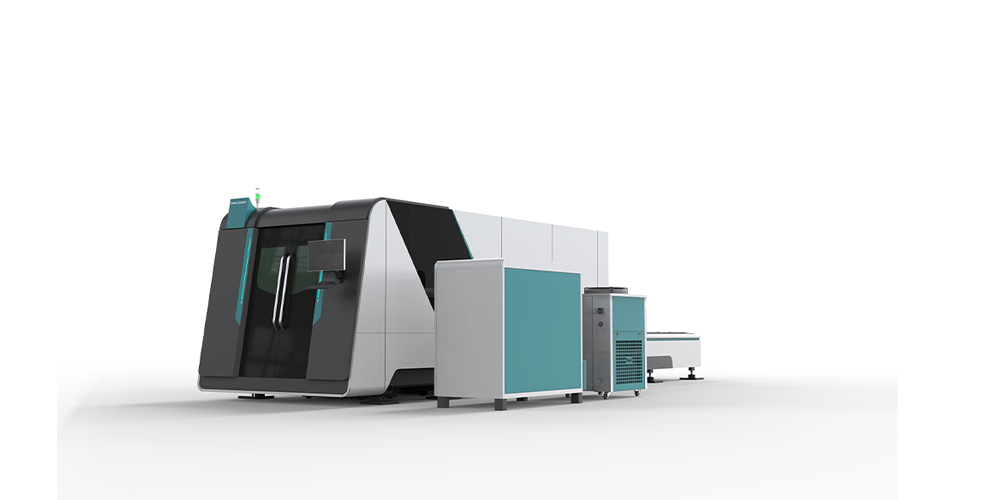
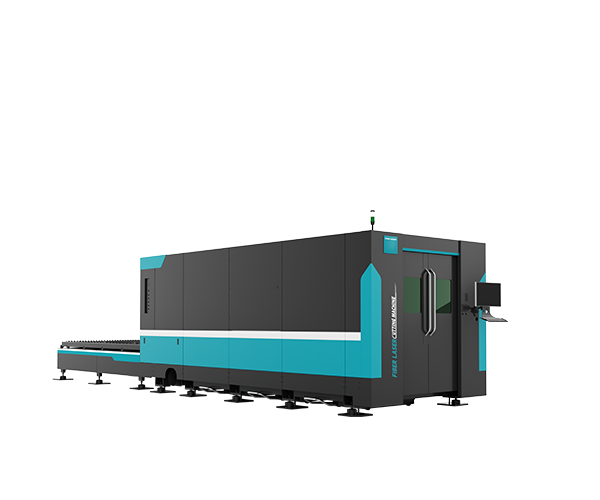
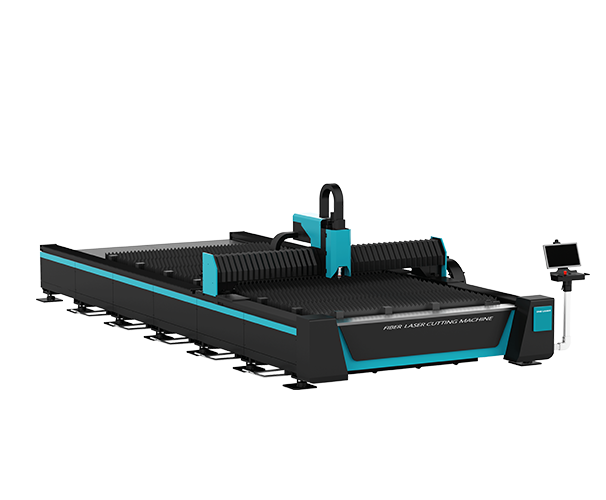
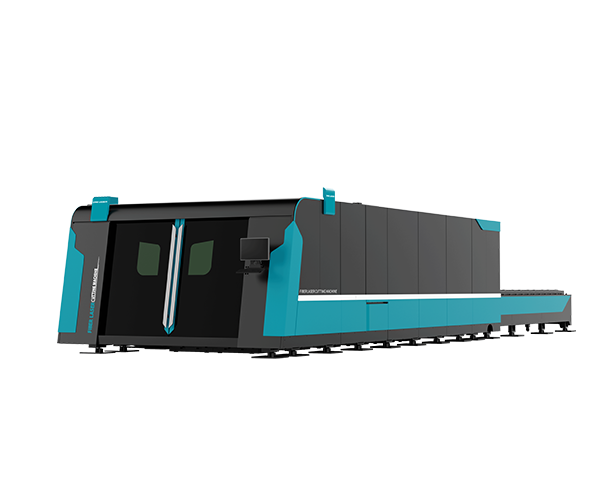
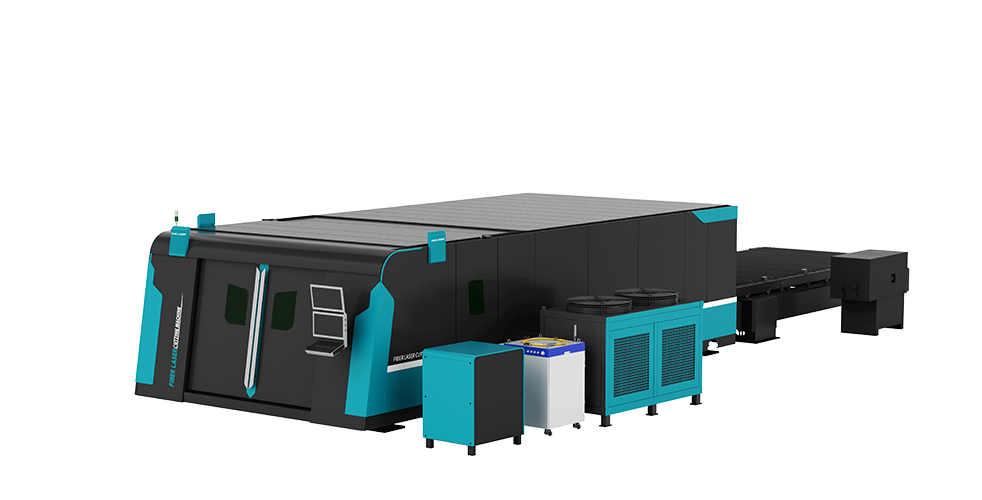
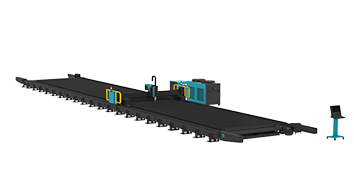
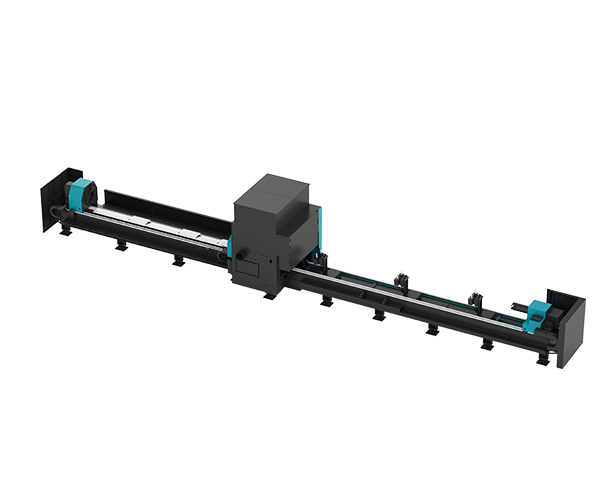
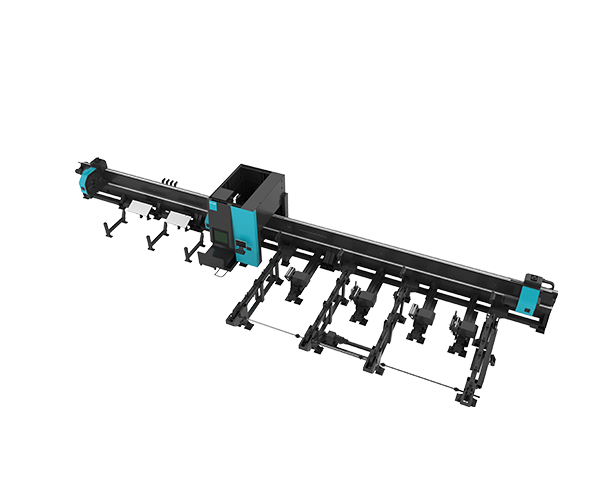
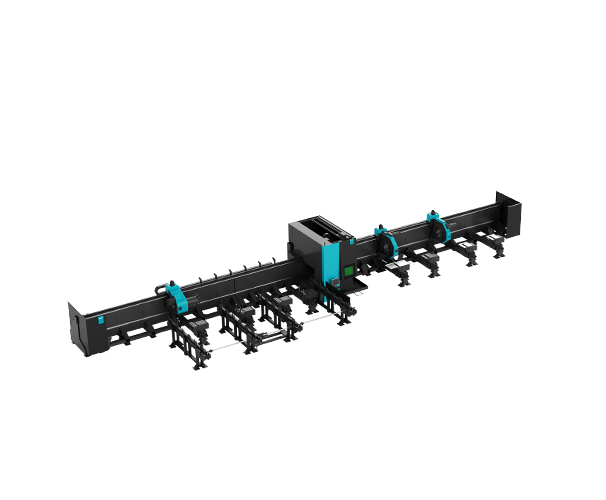
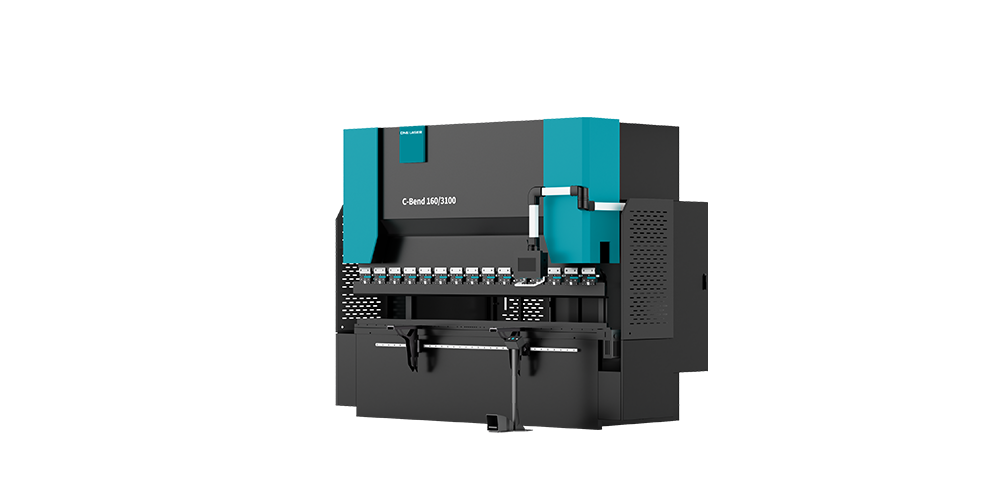
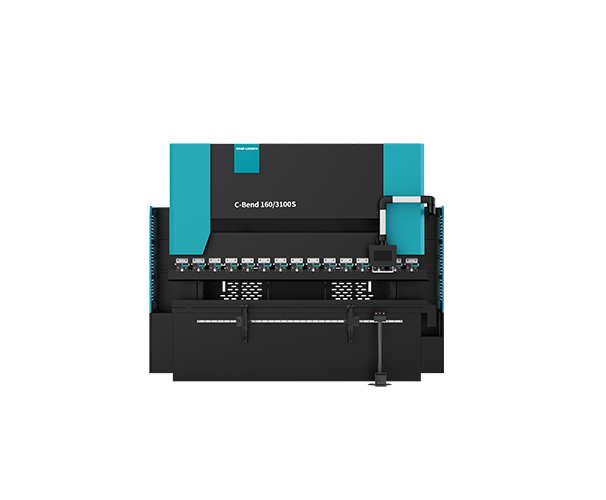
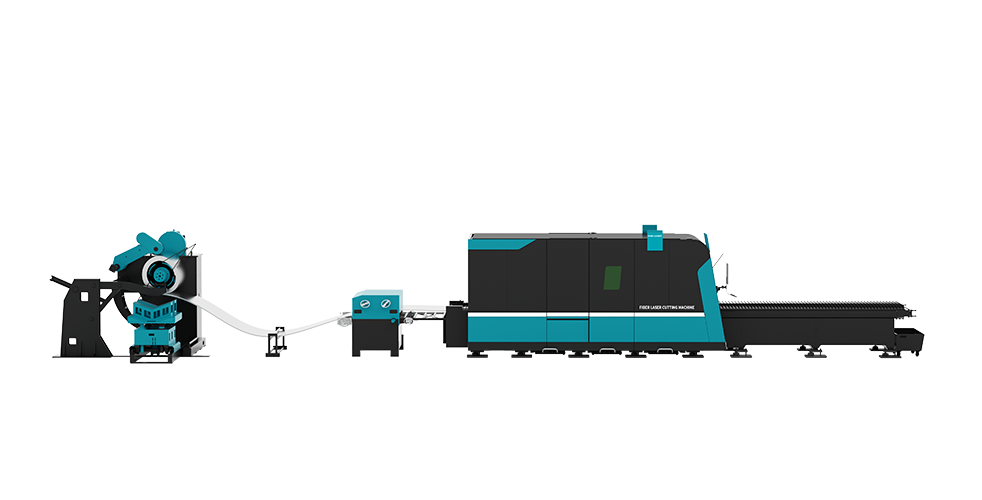
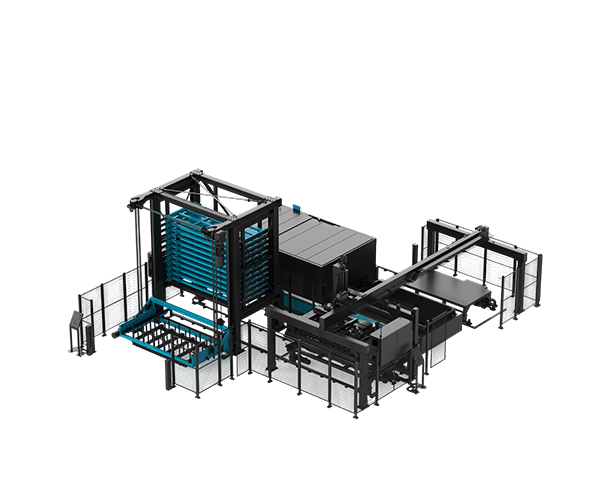
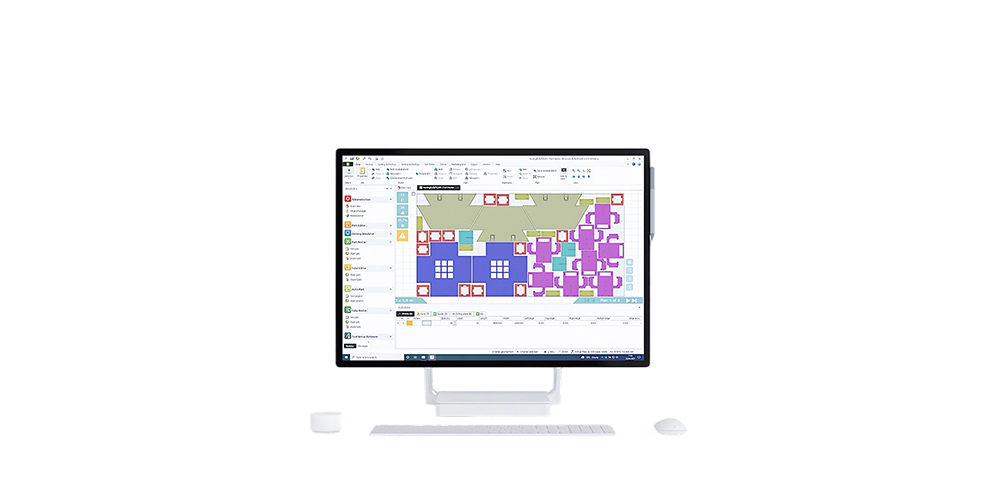
The most prominent advantage of laser cutting is ultra-high precision and machining quality. It can achieve micron-level cutting accuracy, with smooth cutting surface, almost no burrs and small thermal deformation. Unlike mechanical cutting, laser cutting is non-contact processing, which will not cause mechanical extrusion or surface damage to materials, so it is very suitable for precision parts and fragile materials. Secondly, laser cutting has strong flexibility. It can quickly process various complex shapes directly through computer programming, without making special molds or tools, which greatly shortens the production cycle and saves mold costs.
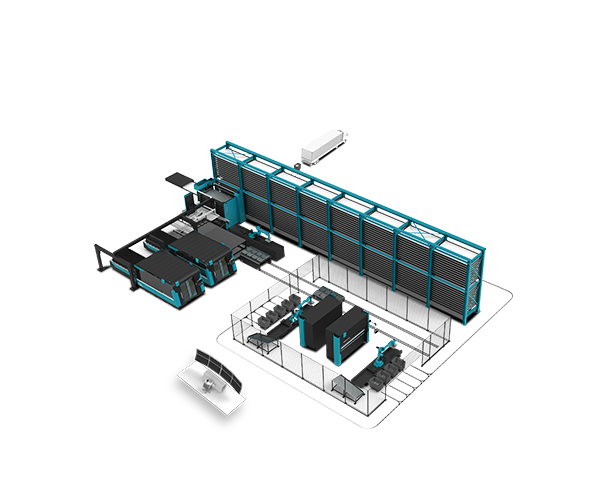
In addition, laser cutting is efficient and automated. It has a fast cutting speed, which is several times higher than traditional plasma and saw cutting. It can be easily integrated with automatic production lines to realize 24-hour uninterrupted processing, significantly improving production efficiency. It also has wide applicability, and can cut most metal and non-metal materials, such as stainless steel, aluminum alloy, acrylic, wood, leather and so on. At the same time, it has a small narrow slit, which is conducive to saving raw materials and reducing production costs.
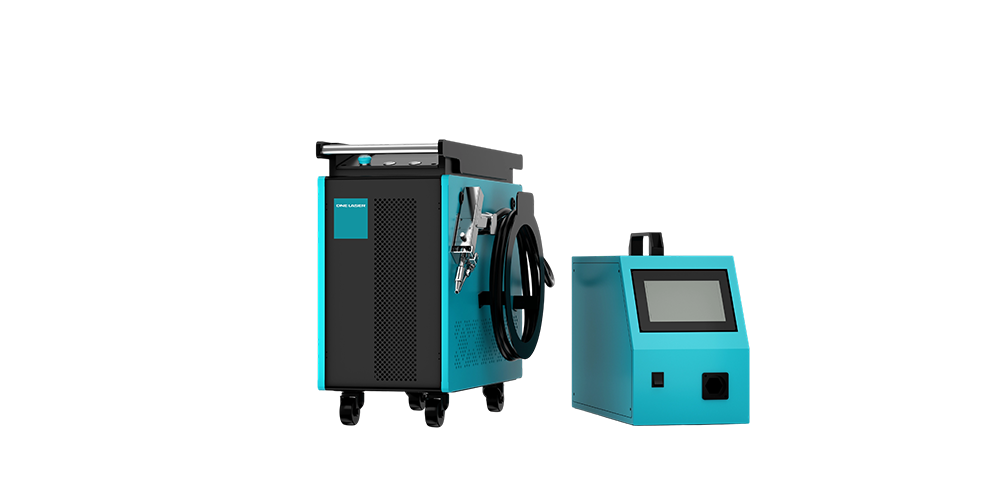
However, laser cutting also has obvious limitations. First of all, equipment investment and maintenance costs are high. High-performance laser cutting machines, especially fiber laser equipment, are expensive, and the maintenance of optical components and laser systems also requires professional technicians and capital investment, which is a heavy burden for small enterprises. Secondly, it has limitations in processing thickness. Although laser cutting performs well in thin and medium-thick plates, it is difficult to cut ultra-thick metal materials with high efficiency and quality, and the effect is far inferior to flame cutting.
In addition, laser cutting has material and safety limitations. Some highly reflective materials such as copper and aluminum are difficult to cut, and improper operation may damage the laser. Some polymer materials will produce toxic gases when cut by laser, requiring professional ventilation and environmental protection equipment. In terms of safety, laser belongs to high-risk radiation, so strict protective measures must be taken to avoid harm to operators.
In general, laser cutting is an advanced and efficient processing method with irreplaceable advantages in precision, flexibility and automation. Although it has limitations in cost, material thickness and safety, with the continuous progress of technology, these problems are being gradually solved. In the future manufacturing industry, laser cutting will still play an important role and become one of the core technologies of intelligent processing.