
Search
Hot search keywords:
series DNE Mechanical C-Bend
Home·News·Company News

Tube Laser Cutting vs. Traditional Sawing, Plasma and Flame Cutting: Key Differences

Published:2026-03-16
Browse:
Share:
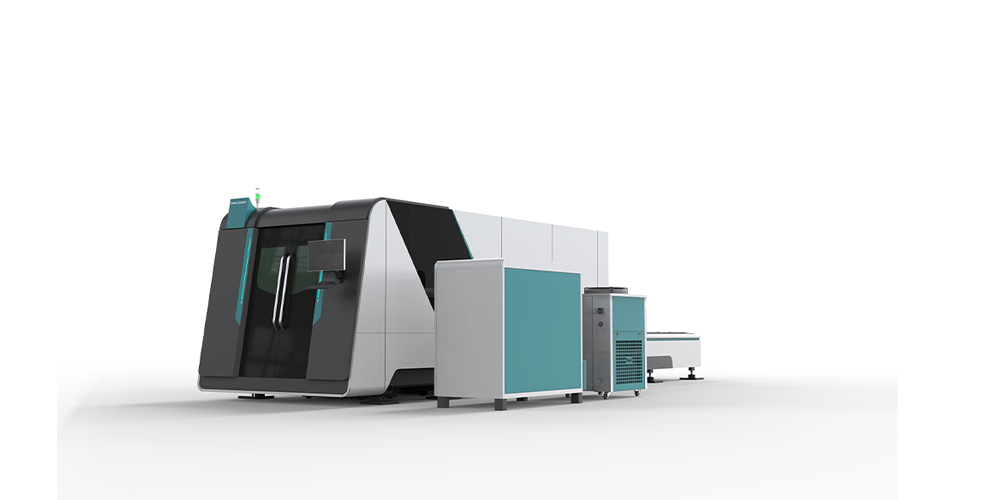
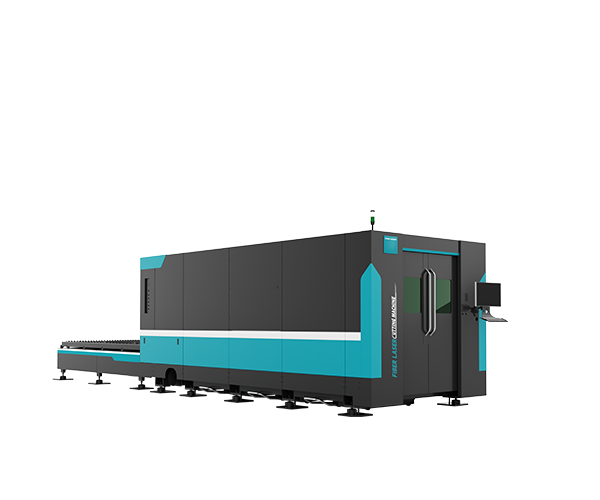
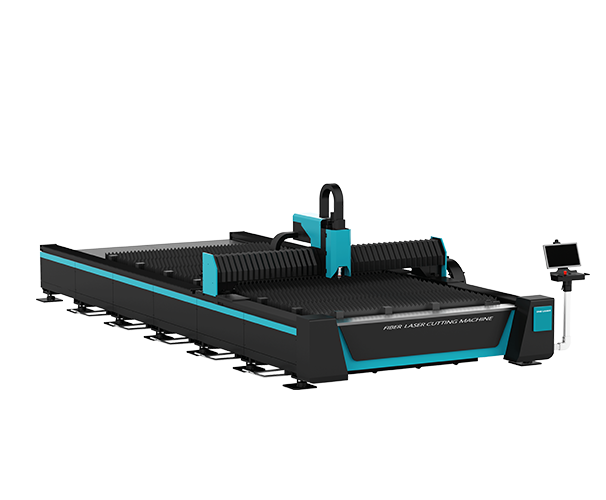
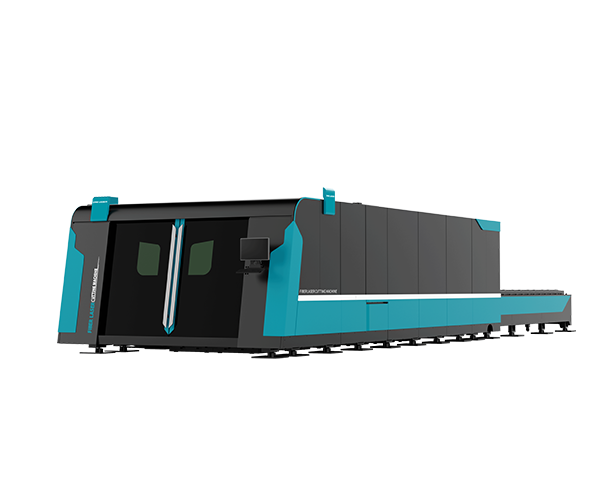
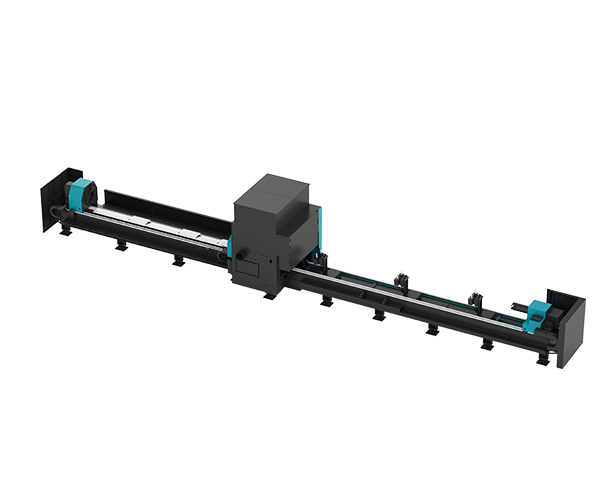
In modern metal tube fabrication, choosing the right cutting method directly affects efficiency, quality and cost. Tube laser cutting has become a mainstream solution, while traditional sawing, plasma cutting and flame cutting still serve specific scenarios. This article compares their core differences in working principle, precision, efficiency, material adaptability, heat impact and overall cost.

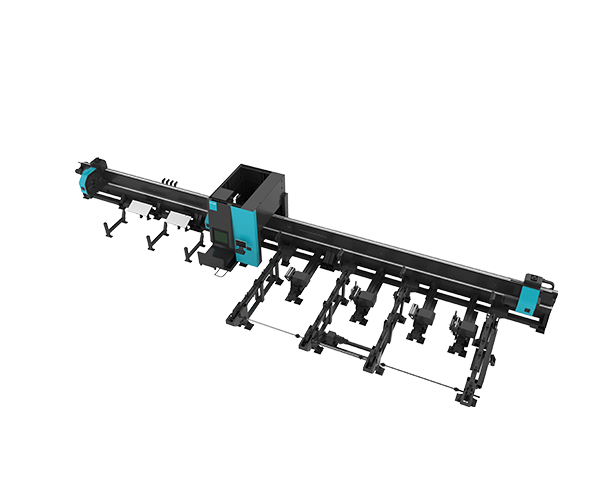
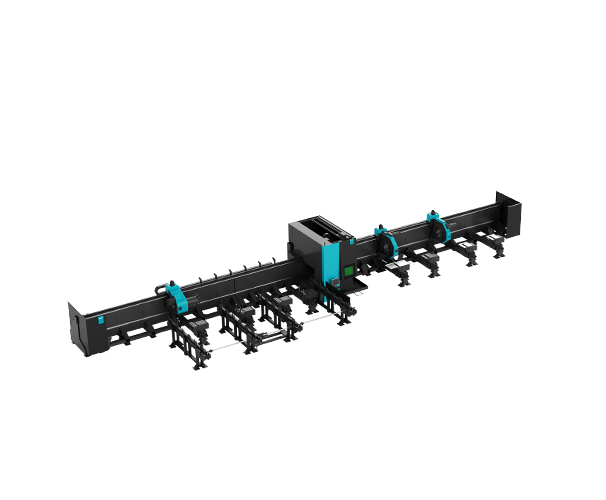
Tube laser cutting uses a high‑power fiber laser beam to melt or vaporize tube material locally, assisted by gas to blow away molten residue. It is a non‑contact, high‑energy‑density process. Traditional sawing relies on mechanical blades for physical cutting, with direct friction and shear. Plasma cutting forms a high‑temperature ionized arc to melt metal, suitable for conductive materials. Flame cutting uses oxy‑fuel combustion to heat carbon steel to ignition temperature, then oxidizes and blows it away—only applicable to ferrous metals.

Precision and surface quality show obvious gaps. Laser tube cutting delivers micron‑level accuracy, typically within ±0.1 mm, with narrow kerf, smooth edges and almost no burrs, eliminating secondary grinding. Sawing has lower precision, large kerf, obvious blade marks and burrs, requiring post‑processing. Plasma cutting has moderate precision but coarser edges and wider heat‑affected zones. Flame cutting has the lowest precision, with severe thermal deformation, skewed cuts and heavy oxidation, especially unsuitable for thin tubes.

In terms of efficiency and flexibility, laser cutting excels. It supports fast continuous cutting, complex contours, holes, notches and intersecting lines in one step, with minimal clamping and high automation. Sawing is only efficient for straight cuts, slow for complex shapes and limited by tube type. Plasma cuts faster than flame but struggles with fine features. Flame cutting is slow, needs preheating and is inefficient for thin or small‑batch jobs.

Material and thickness adaptability differ sharply. Laser cutting works with carbon steel, stainless steel, aluminum, copper and other metals, matching thin to medium‑thick tubes. Sawing suits most solid and hollow sections but struggles with hard or thick materials. Plasma cuts most conductive metals, better for medium‑thick tubes. Flame cutting is limited to low‑carbon steel and excels in extra‑thick tubes but cannot process stainless steel or aluminum.

Heat impact and deformation also vary. Laser has a tiny heat‑affected zone and almost no distortion, ideal for precision parts. Sawing causes mechanical stress and vibration, leading to deformation. Plasma and flame produce large heat input, obvious warping and material softening, which harm dimensional stability.

Cost and application scenarios complete the comparison. Laser cutting has higher upfront investment but lower operating cost, less waste and labor saving, fitting high‑precision, small‑to‑medium‑batch production. Sawing has low equipment cost but high labor and tool wear, for simple straight cuts. Plasma has medium cost, for general structural tubes. Flame has the lowest cost, for thick carbon steel in construction and heavy industry.

In summary, tube laser cutting leads in precision, efficiency, flexibility and quality, ideal for high‑end manufacturing. Traditional sawing, plasma and flame cutting remain practical for low‑precision, thick or cost‑sensitive jobs. Selecting the right method depends on material, thickness, precision requirements and budget to maximize productivity and economic benefits
niu_icon01.png
Request A Quote
Name*
E-mail*
Phone or WhatsApp*
Country*
City
Company
Cutting Material
Machine Type
Message
Submit Now
Thank you!
Thank you for your attention. We will contact you as soon as possible.
Confirm
Confirm
Product List
Submit information
Submit Now