Stainless steel tubes are another core material for tube laser cutting. Stainless steel is corrosion-resistant, high-strength, and aesthetically pleasing, often used in medical equipment, food machinery, kitchen utensils, outdoor decoration, and marine engineering. Traditional cutting methods are prone to causing burrs, deformation, or oxidation on stainless steel surfaces, but laser cutting achieves a smooth, clean cut with almost no thermal deformation, preserving the material’s corrosion resistance and appearance. Whether it is 304, 316, or other grades of stainless steel round, square, or special-shaped tubes, laser cutting can maintain stable processing quality.
Aluminum alloy tubes are lightweight, high-strength, and have excellent thermal conductivity, making them ideal for laser cutting. They are widely used in aerospace, automotive parts, bicycle frames, electronic equipment casings, and architectural decoration. Although aluminum alloy is prone to reflection during laser processing, modern professional tube laser cutters are equipped with optimized power and control systems to achieve stable cutting. The technology ensures no deformation, high precision, and fast speed, fully meeting the lightweight manufacturing needs of various industries.
Copper and brass tubes also apply to tube laser cutting, especially in electrical, plumbing, musical instrument manufacturing, and decorative industries. Copper has excellent electrical conductivity and thermal conductivity, and laser cutting can achieve precise cutting of thin and medium-thickness copper tubes. Brass, with its bright appearance and good processability, is often used in decorative pipes and special components; laser cutting avoids surface damage and maintains its decorative and functional properties. Due to the high reflectivity of copper materials, professional laser equipment is required to ensure cutting stability.
In addition to the above common metal materials, some alloy steel tubes, galvanized steel tubes, and low-melting-point non-ferrous metal tubes can also be processed by tube laser cutting. With the continuous upgrading of laser technology, the application scope of tube laser cutting is further expanding. However, it should be noted that high-reflection, high-hardness, or special composite materials may require targeted parameter adjustment or professional equipment configuration.
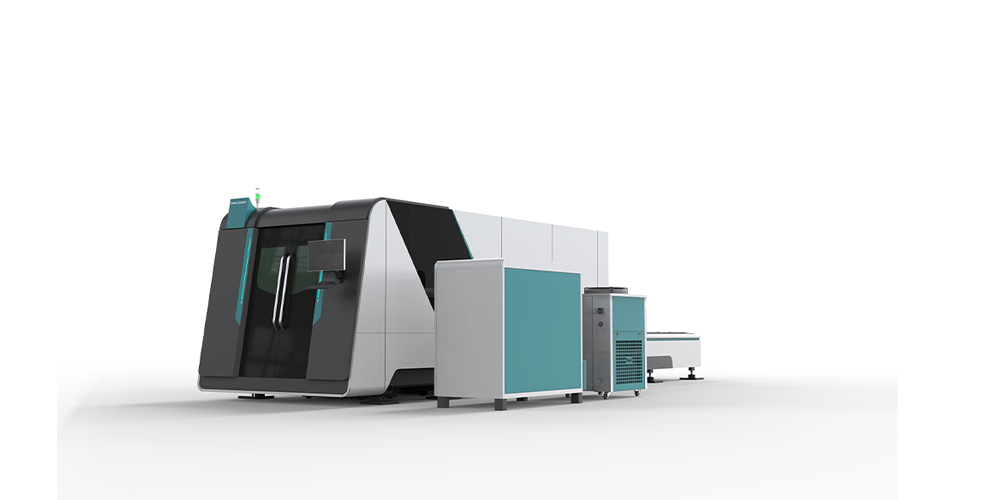
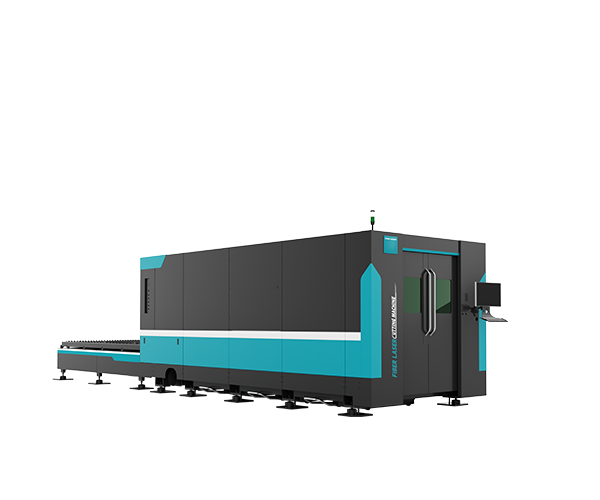
In summary, tube laser cutting has outstanding adaptability to most metal tubular materials, represented by carbon steel, stainless steel, aluminum alloy, and copper alloys. Its high precision, high efficiency, flexibility, and automation advantages make it an irreplaceable processing technology in the field of modern pipe processing. With the development of manufacturing industry, tube laser cutting will continue to play an important role in more material processing and industrial fields.