Search
Hot search keywords:
series DNE Mechanical C-Bend
Home·News·Company News

Current Status and Future Trends of Laser Cutting

Published:2026-04-07
Browse:
Share:
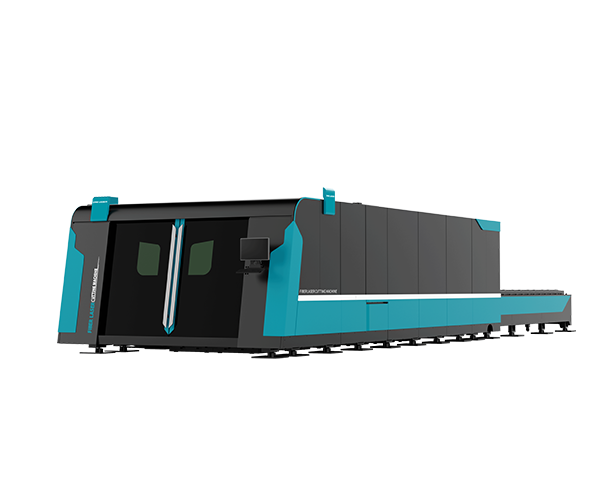
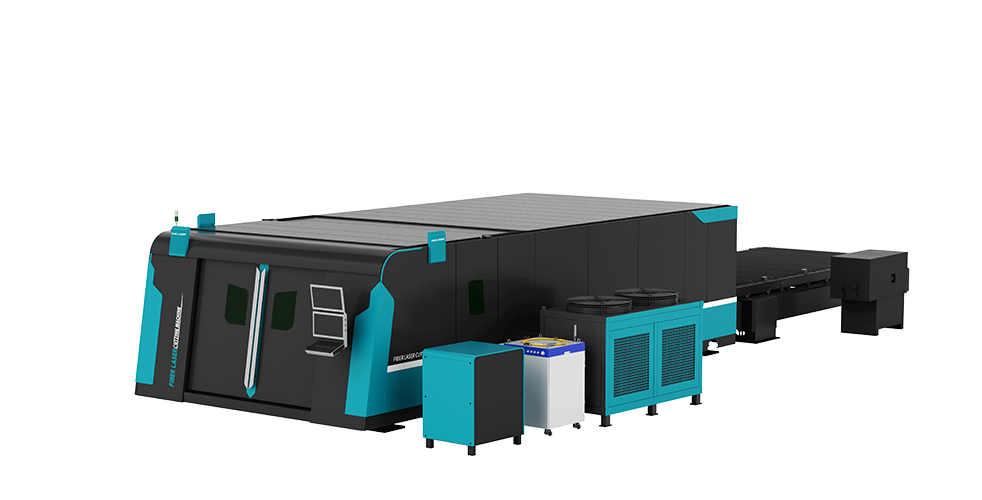
Laser cutting, a core manufacturing technology, has evolved rapidly over the past decade, driven by demands for precision, efficiency, and versatility. Today, it dominates metal fabrication and expands into non-metal processing, with fiber lasers leading the market and automation reshaping production workflows.

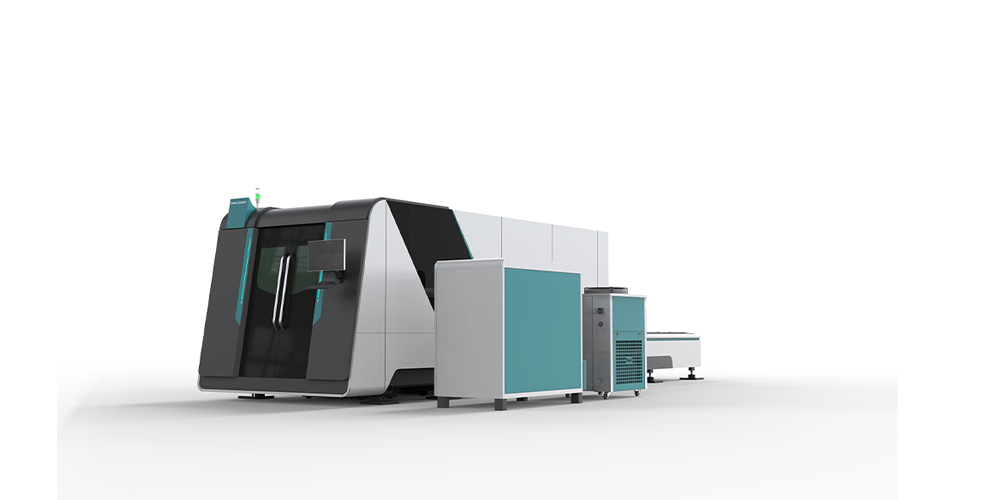
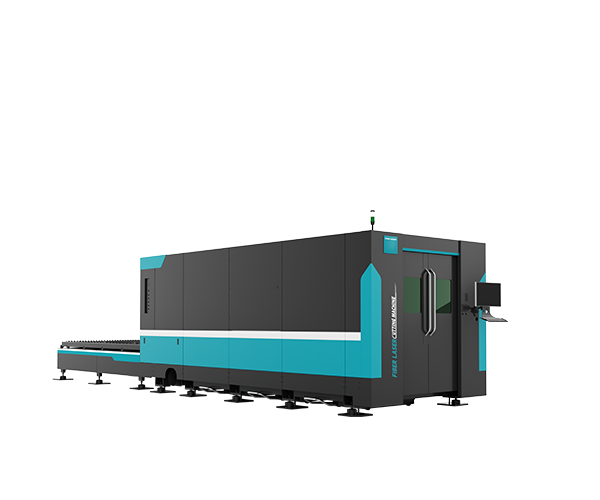
Fiber lasers have overtaken traditional CO₂ lasers as the dominant technology, accounting for over 60% of global installations by 2025. Their key advantages include higher energy efficiency—wall-plug efficiency exceeding 45%, compared to 30% for CO₂ lasers—and faster cutting speeds, up to 30% quicker for thin metals. Modern fiber laser systems now push power beyond 20kW, with 40kW and 60kW models enabling clean cutting of ultra-thick carbon steel (up to 50mm) at unprecedented speeds, making them indispensable for automotive, aerospace, and heavy machinery industries. Meanwhile, CO₂ lasers remain relevant for non-metal materials like acrylic, wood, and composites, supported by compact, cost-effective entry-level systems that expand access to small businesses.

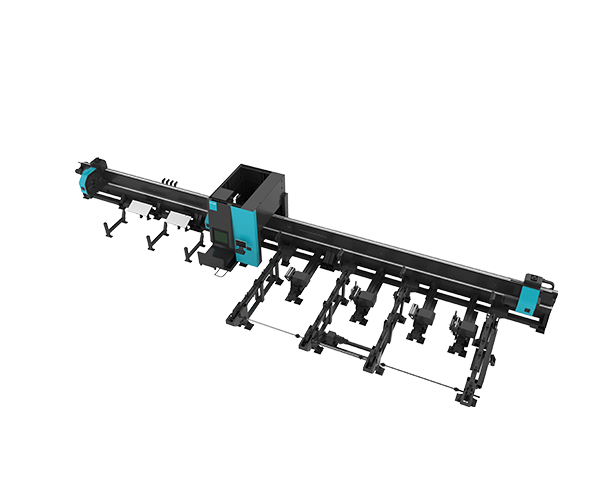
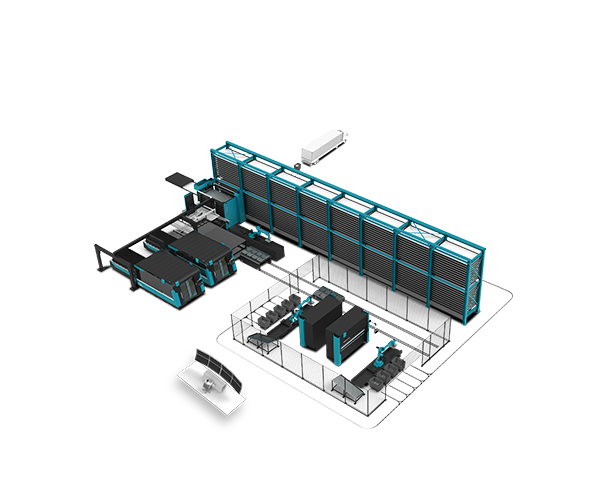
Automation and intelligence are transforming laser cutting into "lights-out" manufacturing. Robotic loading/unloading, automated material handling, and AI-driven optimization eliminate manual intervention, boosting productivity and reducing errors. AI systems analyze real-time data to adjust cutting paths, predict maintenance, and adapt to material variations, cutting defect rates to below 0.5% and improving material utilization by up to 18%. IoT integration further enables cloud monitoring, ERP connectivity, and digital twins, allowing virtual pre-simulation of jobs and remote performance tracking. Modular machine designs, such as sheet-tube combo cutters and multi-process heads (switching between cutting and welding), enhance flexibility for small-batch, multi-variety production.

Looking ahead, laser cutting is set for further breakthroughs. Ultrafast lasers (picosecond/femtosecond) will dominate precision applications, leveraging "cold processing" to minimize heat damage for microfabrication in semiconductors, medical implants, and glass processing. Hybrid systems combining laser cutting with waterjet or milling will address complex materials like composites and titanium, expanding process versatility. Quantum laser technology, though in early stages, promises atomic-level precision and ultra-high efficiency, potentially revolutionizing high-end manufacturing.

Market growth reinforces these trends: the global laser cutting machines market is projected to reach $14.3 billion by 2035, fueled by AI integration and demand for precision components. As industries prioritize sustainability, energy recovery systems and low-power fiber lasers will reduce operational carbon footprints, aligning manufacturing with green goals.

In summary, laser cutting has evolved from a niche tool to a cornerstone of modern manufacturing. With high-power fiber lasers, AI-driven automation, and expanding material compatibility, it will continue to redefine production efficiency, enabling innovation across aerospace, automotive, electronics, and healthcare sectors.

niu_icon01.png
Request A Quote
Name*
E-mail*
Phone or WhatsApp*
Country*
City
Company
Cutting Material
Machine Type
Message
Submit Now
Thank you!
Thank you for your attention. We will contact you as soon as possible.
Confirm
Confirm
Product List
Submit information
Submit Now