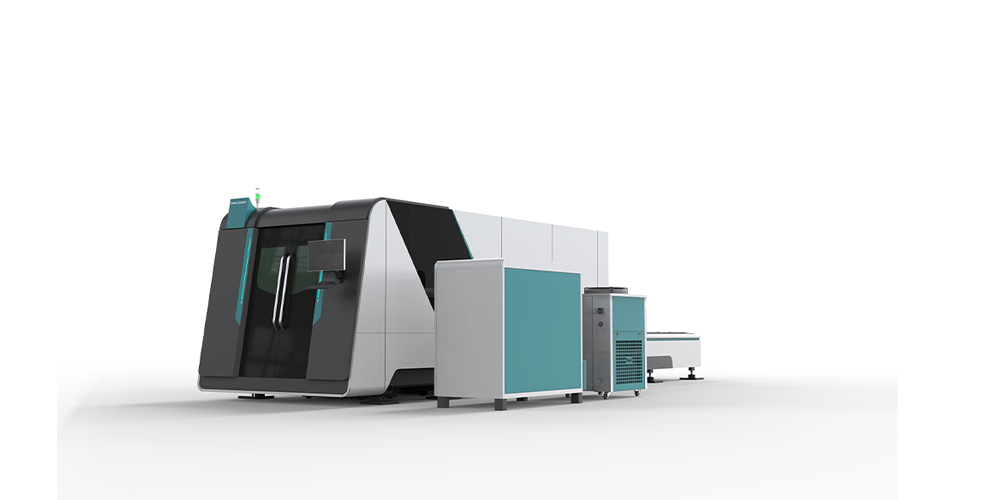
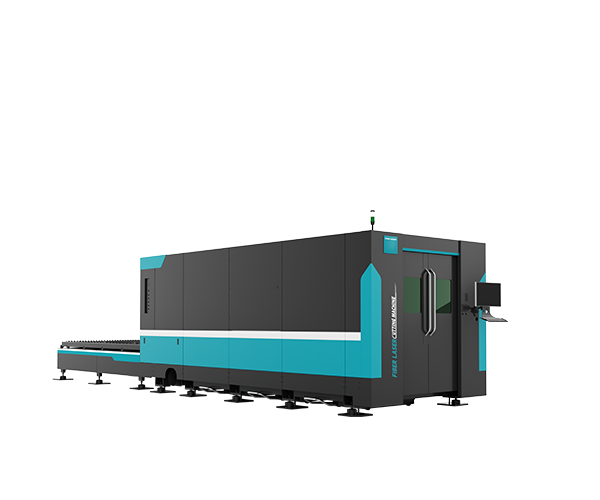
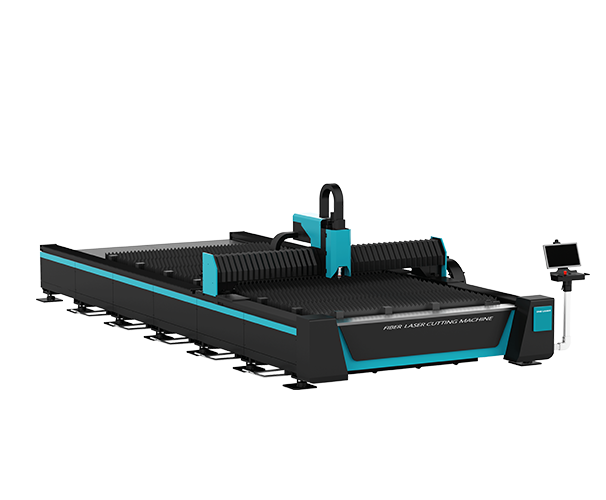
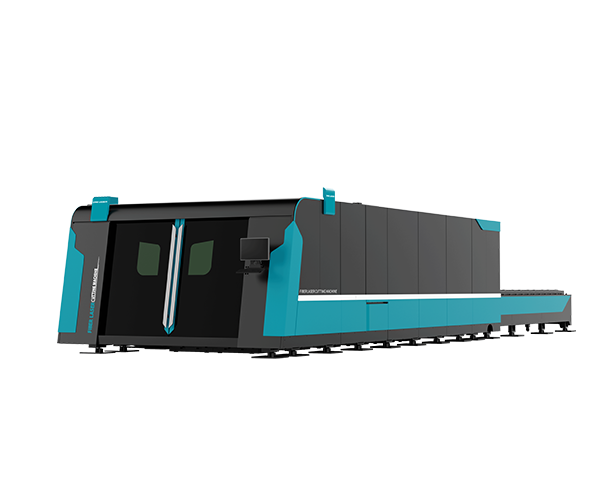
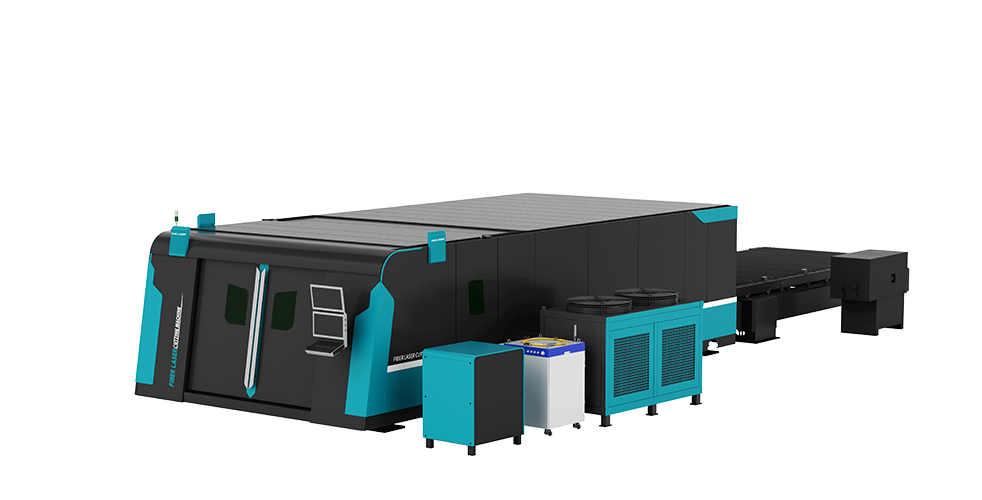
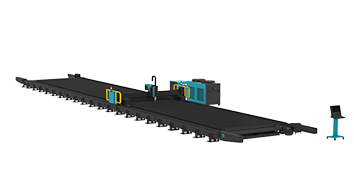
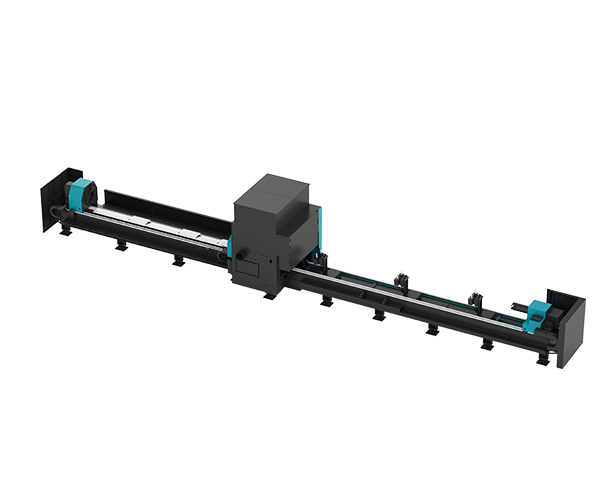
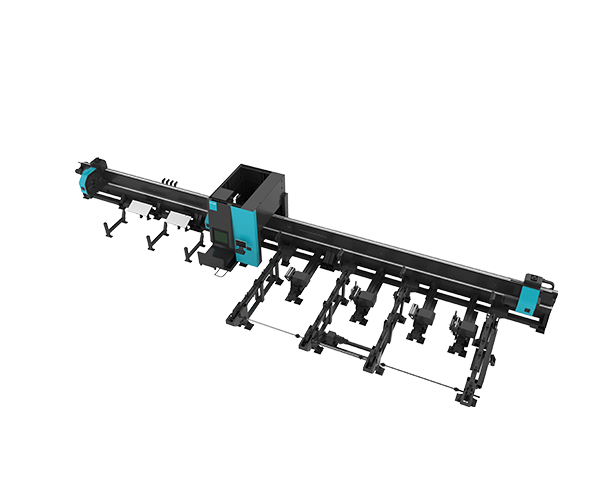
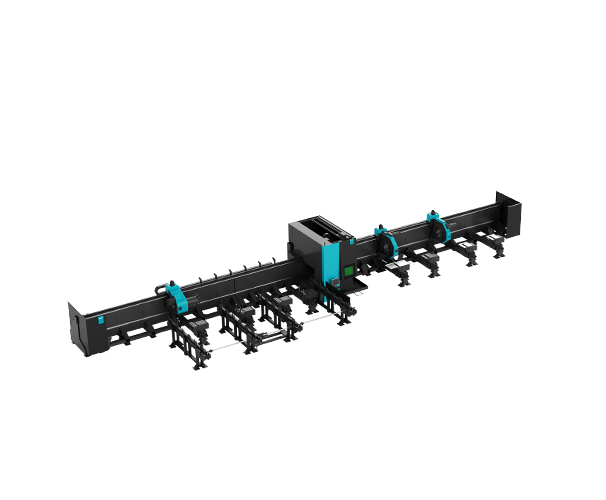
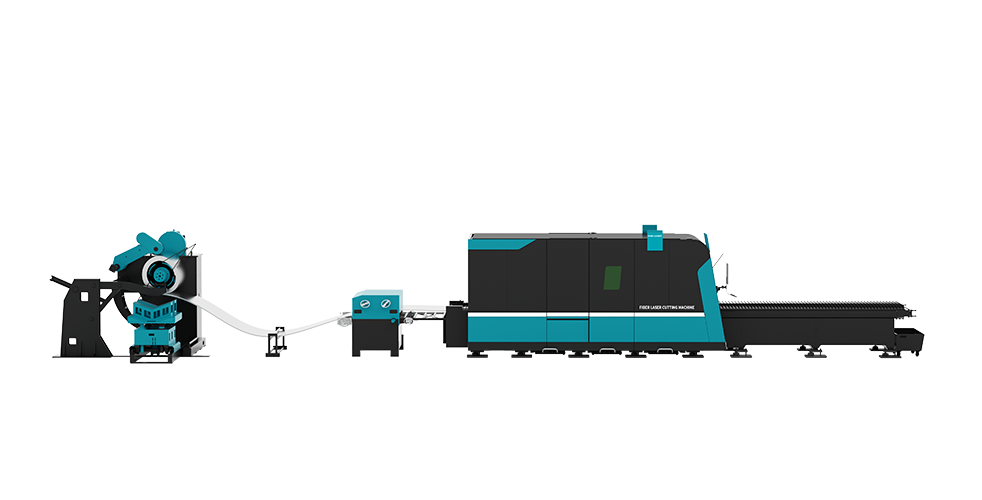
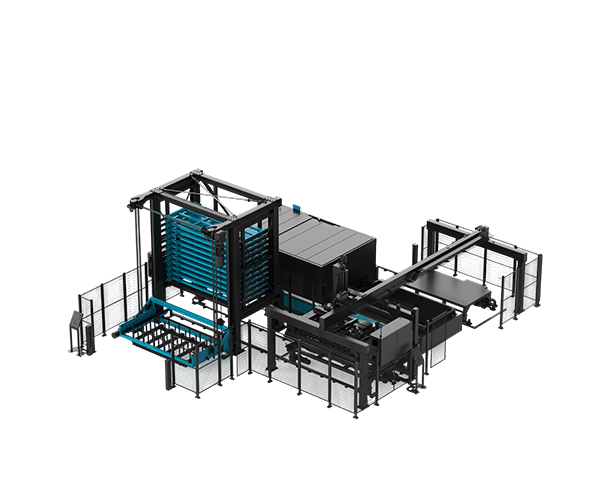
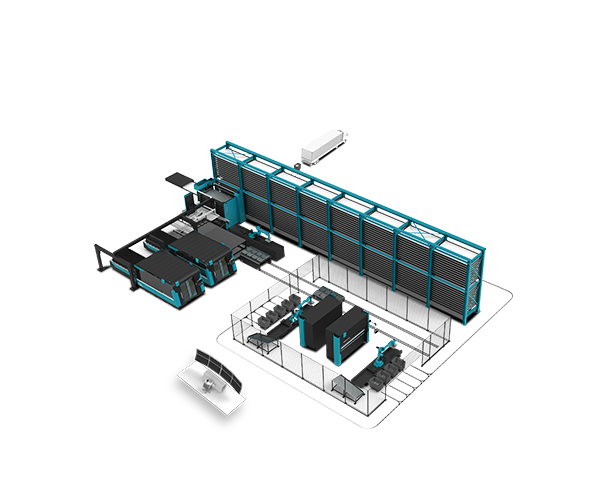
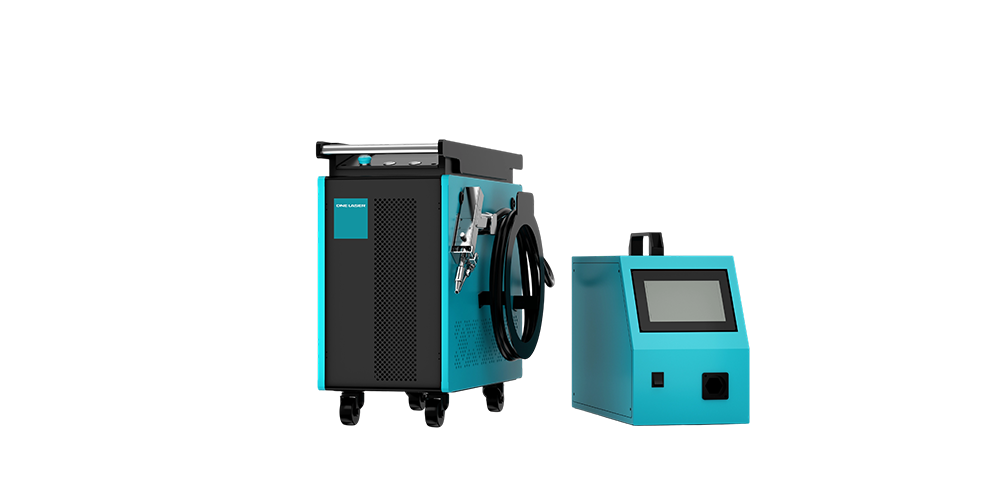
Laser cutting is a highly efficient, precision non-contact processing technology widely used in metal and non-metal manufacturing, from automotive parts and electronic components to architectural decorations. It boasts high cutting accuracy, fast speed, and flexible pattern customization, but various defects often occur during operation due to parameter mismatches, material issues, or equipment malfunctions. These defects reduce product quality and increase production costs, so identifying and solving them is critical. This essay introduces the most common defects and targeted solutions.
Burr and slag adhesion are the most frequent issues in metal laser cutting. Burrs are sharp metal residues on the cutting edge, while slag is molten metal that solidifies at the bottom. The main causes include insufficient laser power, slow cutting speed, improper auxiliary gas pressure, and dirty lenses. To fix this, increase laser power appropriately, accelerate cutting speed to ensure complete metal melting, adjust oxygen or nitrogen gas pressure to blow away molten metal timely, and clean or replace the focusing lens regularly to maintain laser energy stability.
Rough cutting surface is another common defect, especially on stainless steel and aluminum alloys. It results from unstable laser beams, unreasonable focal position, and low gas purity. A rough surface weakens material aesthetics and mechanical properties. The solutions are calibrating the laser beam to keep it stable, adjusting the focal point to the optimal position on the material surface, and using high-purity auxiliary gas to avoid secondary oxidation and scorching on the cutting section.
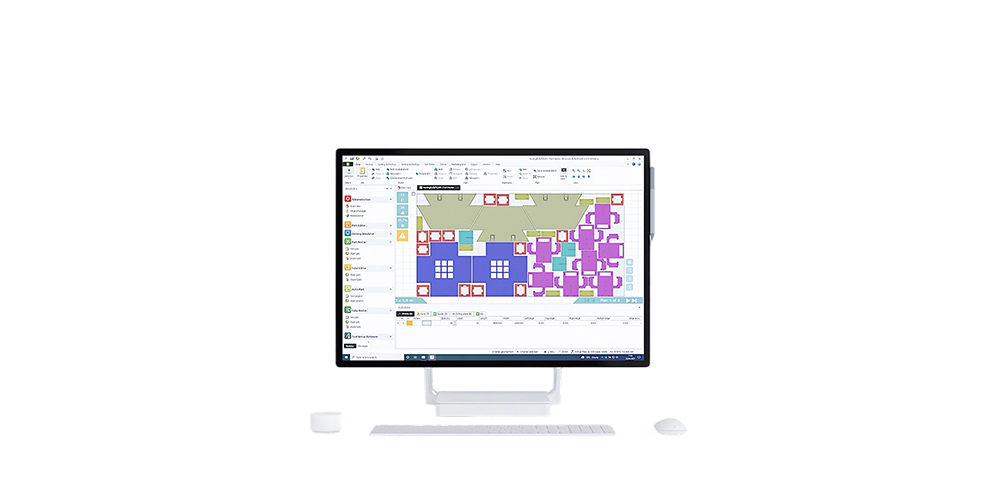
Material deformation and warping often plague thin metal sheets. Laser cutting generates high local temperatures, causing uneven thermal expansion and contraction. To prevent deformation, reduce laser power and increase cutting speed to lower heat input, use a fixture to fix the material firmly, and adopt a nesting layout to distribute cutting points evenly, minimizing concentrated heat in one area.
Over-burning and carbonization are typical defects in non-metal laser cutting, such as wood, acrylic, and plastic. Excessive laser energy and slow cutting speed lead to material burning and yellowing. Operators should reduce laser power, speed up the cutting process, and add auxiliary blowing or water cooling to dissipate heat quickly, protecting non-metal materials from thermal damage.
In conclusion, laser cutting defects are mostly related to process parameters, equipment status, and material properties. Regular equipment maintenance, reasonable parameter adjustment, and correct operation can effectively avoid these problems. Mastering these common defects and solutions not only improves cutting quality and production efficiency but also extends the service life of laser cutting equipment, bringing greater economic benefits to industrial manufacturing.