Industry Applications of Automatic Devices
Published:2026-02-06
Browse:
In the modern era, automatic devices have emerged as a driving force, revolutionizing various industries with their advanced capabilities and efficiency. These intelligent machines are reshaping production processes, enhancing quality control, and opening up new avenues for innovation across different sectors.
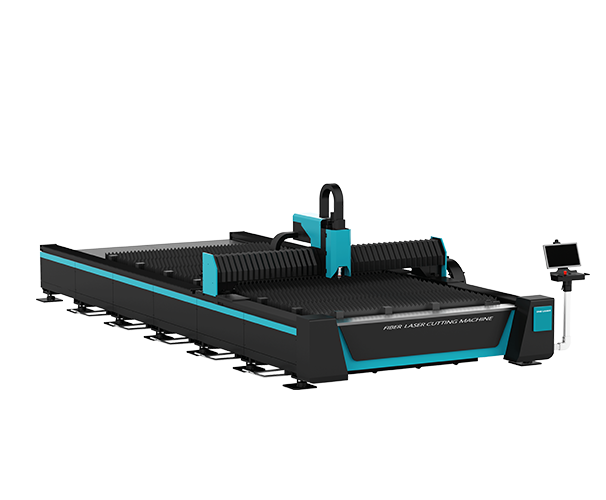
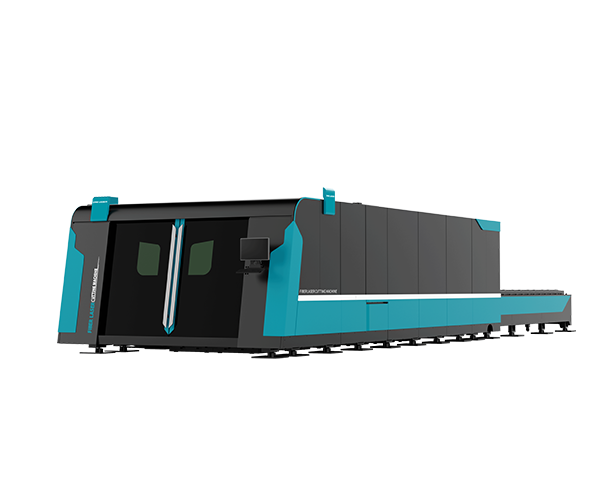
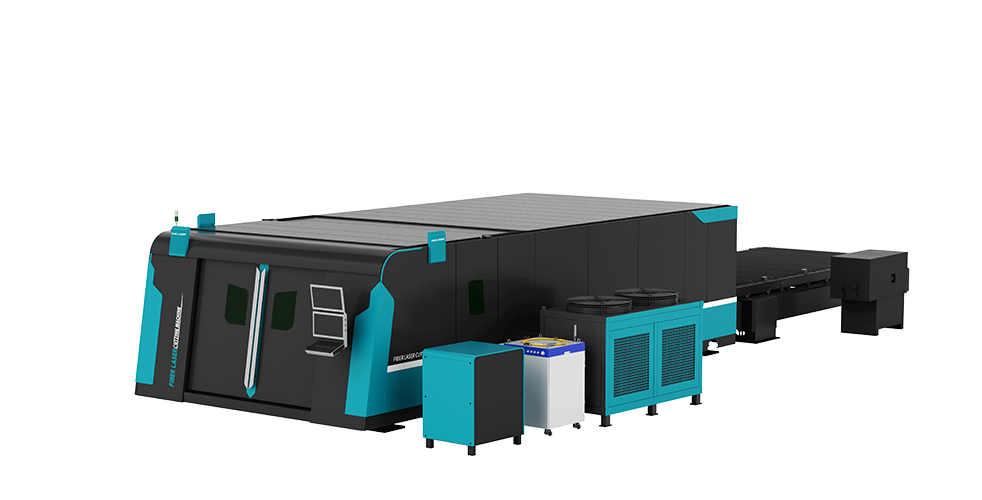
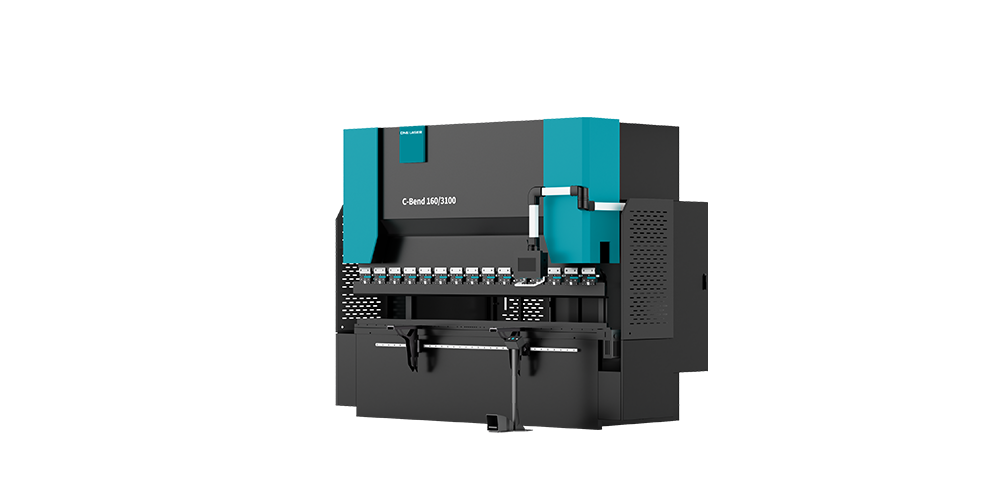
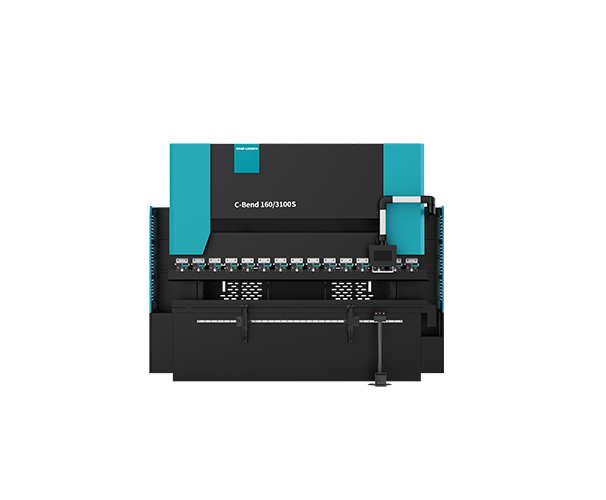
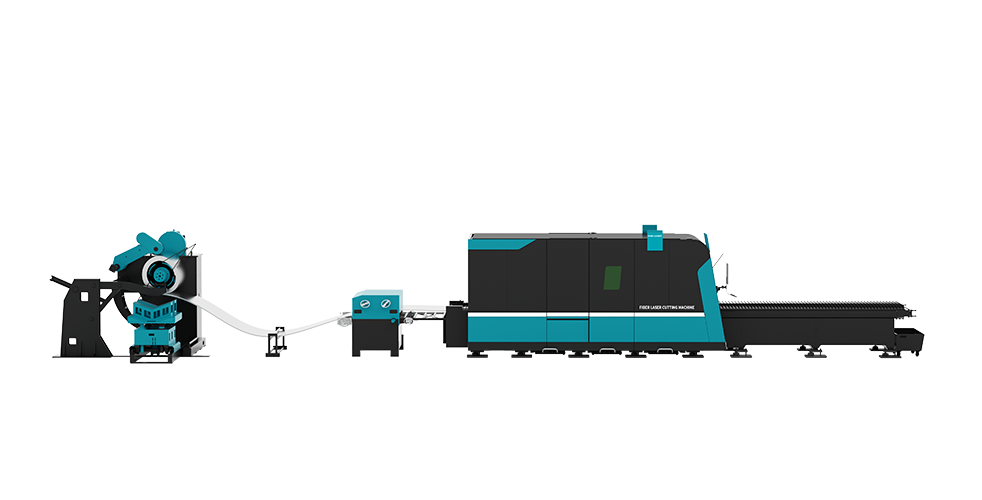
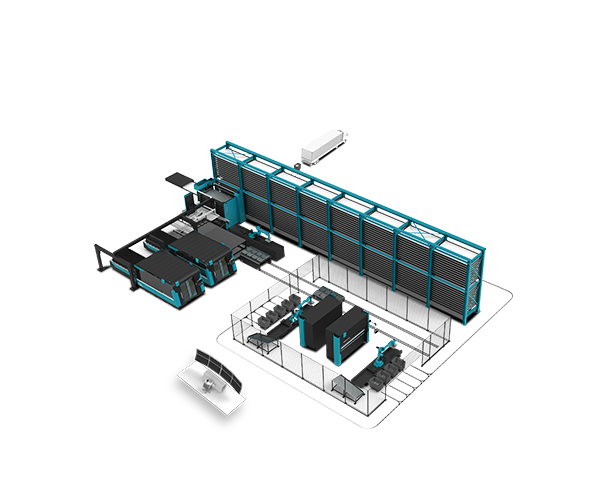
In the manufacturing industry, automatic devices are the cornerstone of modern production lines. Industrial robots, equipped with precise sensors and sophisticated programming, can perform tasks such as welding, painting, and assembly with unparalleled accuracy and speed. For instance, in automobile manufacturing plants, robots are responsible for assembling complex components like engines and chassis. They work tirelessly around the clock, significantly increasing production output while reducing the margin of error to almost zero. This not only ensures consistent product quality but also cuts down on production costs and time-to-market.
The food and beverage industry has also witnessed a remarkable transformation due to automatic devices. Automated packaging systems can handle a wide range of products, from delicate pastries to heavy bottles, with great care and efficiency. These systems can adjust packaging parameters in real-time based on product specifications, ensuring proper sealing and labeling. Moreover, in the quality control process, automatic inspection devices use advanced imaging technology to detect defects in food products, such as foreign objects or irregular shapes, at a much faster rate than human inspectors. This helps maintain high food safety standards and reduces waste.
In the healthcare sector, automatic devices play a crucial role in improving patient care and medical research. Automated drug dispensing systems in hospitals ensure accurate medication administration, minimizing the risk of human errors. In laboratories, robotic arms are used for tasks like sample handling and testing, enabling researchers to process large volumes of samples quickly and accurately. This accelerates the pace of medical research, leading to faster discoveries of new drugs and treatment methods.
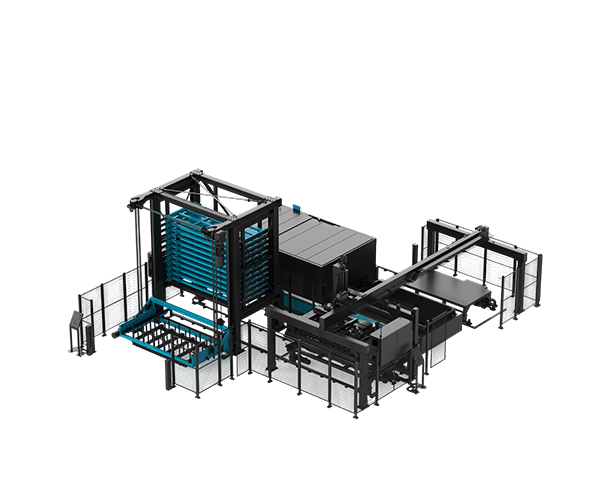
The logistics and warehousing industry has been greatly optimized by automatic devices as well. Automated guided vehicles (AGVs) can navigate through warehouses autonomously, transporting goods from one location to another. This reduces the need for manual labor and speeds up the inventory management process. Additionally, automated sorting systems can classify and route packages based on their destinations, improving the efficiency of the delivery process.
In conclusion, automatic devices have become indispensable assets in various industries. Their ability to enhance productivity, improve quality, and reduce costs has made them a key factor in the success and competitiveness of businesses worldwide. As technology continues to advance, we can expect even more innovative applications of automatic devices, further driving industrial progress and shaping the future of our economy.